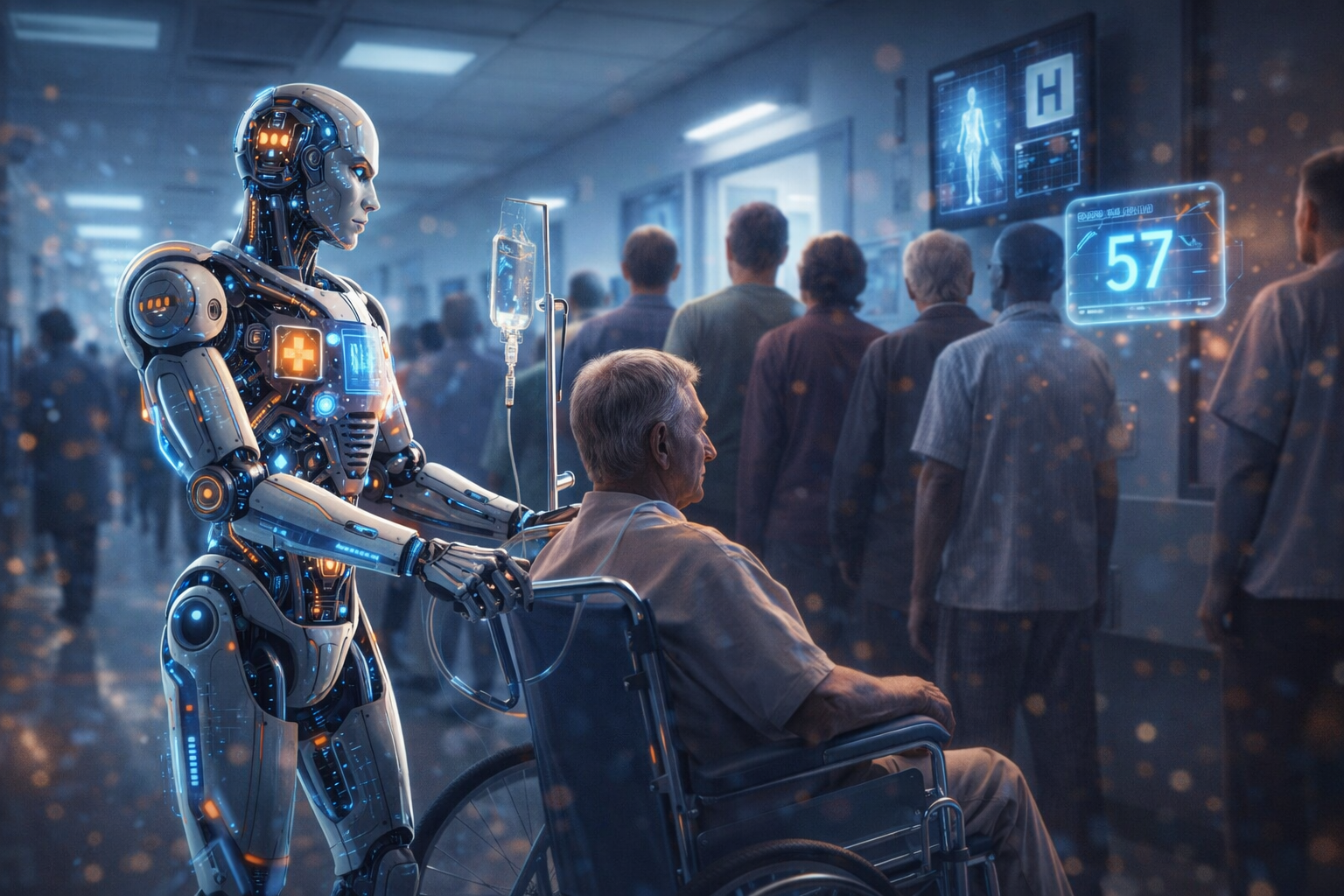
The NHS is finally embracing AI to tackle its most stubborn problem: waiting times that have spiralled completely out of control. According to the BBC, artificial intelligence is now being deployed across British hospitals in what could be the most significant healthcare tech revolution since the introduction of electronic health records. But here's the thing – this isn't just about faster appointments. It's about fundamentally rewiring how our healthcare system operates, and it's bloody well overdue.
The Waiting Time Crisis That Broke Britain's Health System
Let's be brutally honest about where we are. The NHS is drowning under the weight of 7.6 million people waiting for treatment as of late 2023. That's roughly one in nine Britons stuck in healthcare limbo. The average wait for routine surgery has ballooned to over 14 weeks – and that's just the average. Cancer patients are missing crucial treatment windows. Heart patients are deteriorating while bureaucrats shuffle papers.
This didn't happen overnight. Years of underfunding, an ageing population, and the COVID-19 pandemic created a perfect storm. But the real kicker? Much of this backlog exists because of administrative inefficiency rather than actual clinical capacity shortages. Hospitals have beds sitting empty because they can't efficiently match patients to available slots. Consultants are working below capacity because the scheduling systems are archaic.
The current system relies on manual processes that belong in the 1980s. Booking systems that don't talk to each other. Scheduling that depends on phone calls and paper forms. Resource allocation based on guesswork rather than data. It's exactly the kind of problem that AI was designed to solve.
What AI Is Actually Doing in NHS Hospitals
The BBC reports that several NHS trusts are now implementing AI systems that go far beyond simple appointment booking. These systems are creating dynamic scheduling algorithms that can predict and prevent bottlenecks before they occur.
Here's how it actually works: The AI analyses historical patient data, staff availability, equipment usage, and even seasonal patterns to create optimised schedules. It can predict that Mrs Johnson's hip replacement will likely take 20% longer than average based on her medical history, so it automatically adjusts the surgical timetable. It knows that Fridays are historically problematic for emergency admissions, so it pre-emptively shuffles elective procedures.
Predictive patient flow is the real game-changer. The AI can forecast which patients are most likely to need emergency readmission and prioritise their initial care accordingly. It can identify patients whose conditions are likely to deteriorate and fast-track their treatment. It's moving from reactive healthcare to proactive healthcare.
The systems are also tackling the resource allocation nightmare. Operating theatres, MRI machines, specialist consultants – the AI knows exactly when each resource will be available and can slot patients into gaps that human schedulers would never spot. It's like having a chess grandmaster optimising your hospital logistics 24/7.
The Ripple Effects: Who Wins and Who Loses
Patients are the obvious winners, but not just in the way you'd expect. Yes, shorter waiting times are brilliant. But the real benefit is better care quality. When hospitals aren't constantly firefighting scheduling disasters, clinical staff can focus on what they're actually trained to do – medicine.
Hospital administrators should be celebrating. These AI systems can reduce no-shows by up to 30% through intelligent reminder systems and rescheduling algorithms. They can identify patterns in patient cancellations and adjust booking strategies accordingly. The financial impact is enormous – every empty slot costs the NHS hundreds of pounds in wasted resources.
But let's talk about the potential losers. Administrative staff whose jobs revolve around manual scheduling are facing redundancy. The AI doesn't need humans to shuffle appointment books or make reminder phone calls. This is the classic automation displacement problem, and the NHS needs to address it head-on with retraining programmes.
There's also a darker possibility: algorithmic bias. If the AI learns from historical data that includes systemic discrimination, it could perpetuate or even amplify healthcare inequalities. Working-class patients, ethnic minorities, or those with complex social circumstances could find themselves consistently deprioritised by algorithms that don't understand their specific needs.
My Take: This Should Have Happened a Decade Ago
As someone who's been building web systems since 2004, I'm frankly amazed it's taken this long. The technology to optimise hospital scheduling has existed for years – Amazon has been using similar algorithms to manage warehouse logistics since the early 2000s. The NHS has been criminally slow to adopt proven tech solutions.
But here's what really gets me: the implementation is still too cautious. The BBC article mentions pilot programmes and gradual rollouts, which is exactly the kind of bureaucratic thinking that got us into this mess. Every day we delay full implementation is another day that thousands of patients suffer unnecessary waits.
The AI systems being deployed are impressive, but they're still operating within the existing NHS structure rather than fundamentally reimagining it. We need radical integration – AI that connects GP surgeries, hospitals, mental health services, and community care into one seamless system. Instead, we're getting point solutions that optimise individual hospitals.
I'm also concerned about the technology vendors. The NHS has a terrible track record of getting locked into expensive, proprietary systems that become impossible to modify or replace. These AI implementations need to be built on open standards with clear data portability requirements.
What This Means for You (And What You Should Do)
If you're a patient, this is genuinely good news. The AI systems should start reducing your waiting times within the next 12-18 months as they roll out more widely. But you need to be proactive:
- Make sure your contact details are current in all NHS systems – the AI relies on being able to reach you for rescheduling
- Be flexible with appointment times if possible – the AI can find gaps you'd never think to ask for
- Don't assume the system is infallible – if something feels wrong with your treatment priority, speak up
If you're a healthcare worker, start learning about these systems now. The hospitals that implement AI successfully will become the most desirable places to work because they eliminate the administrative frustration that drives clinical staff away. But you need to engage with the technology rather than resist it.
For tech professionals, this is a massive opportunity. The NHS digitisation programme is creating thousands of jobs for developers, data scientists, and integration specialists. But be prepared for the unique challenges of healthcare tech – regulatory compliance, patient safety requirements, and integration with legacy systems that date back decades.
The Real Test Is Coming
This AI implementation isn't just about cutting waiting times – it's a litmus test for whether Britain can successfully modernise its public services. If the NHS can prove that intelligent technology can solve seemingly intractable problems, it opens the door for similar innovations in education, social services, and local government.
But the window for success is narrow. The current government has promised significant improvement in NHS performance by the next election. If these AI systems don't deliver measurable results quickly, the whole digitisation agenda could be abandoned by a new administration more focused on traditional solutions like hiring more staff or building more hospitals.
The stakes couldn't be higher. This isn't just about healthcare efficiency – it's about proving that Britain can still innovate its way out of systemic problems. The NHS waiting list crisis broke our collective faith in public service delivery. AI might just be the technology that restores it.