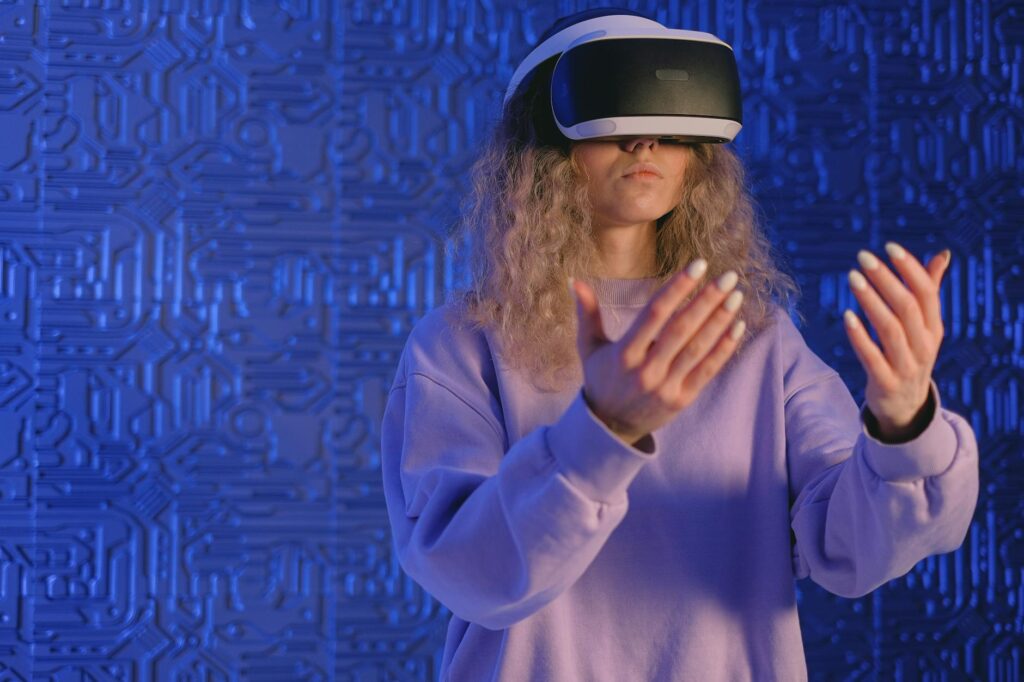
The virtual reality landscape in 2026 feels like watching a brilliant fireworks display during a thunderstorm. On one hand, we're seeing mind-blowing innovations like scent technology that can blend eight different fragrances to make your VR experience smell as real as it looks. On the other, industry giants like Meta are slashing jobs in their Reality Labs division, sending shockwaves through the VR community. As someone who's been tracking VR since the days of Google Cardboard, I've never seen such a fascinating mix of triumph and turmoil.
The Sweet and Sour Reality of Meta’s VR Journey
Let's address the elephant in the room first. Meta's recent layoffs in Reality Labs have sent a clear message: even Mark Zuckerberg's billions can't insulate VR from harsh market realities. The return of Hugo Barra to Meta after five years away speaks volumes about the company's shifting priorities. When a tech giant brings back former executives, it usually means they're either desperate for proven talent or admitting their current strategy needs a serious rethink.
I've watched Meta pour astronomical sums into VR development, and whilst their Quest headsets have genuinely pushed consumer VR forward, the financial haemorrhaging has finally caught up with them. The layoffs aren't just numbers on a spreadsheet – they represent years of expertise walking out the door. It's a brutal reminder that innovation without sustainable business models is just expensive experimentation.
What particularly strikes me is the timing. Here we are in 2026, supposedly on the cusp of mainstream VR adoption, and one of the biggest players is pulling back. It's like watching a marathon runner slow down just before the finish line. Either Meta knows something we don't about the immediate future of VR, or they're making a colossal strategic error that competitors will capitalise on.
The irony isn't lost on me that whilst Meta cuts back on VR, they're simultaneously ramping up their AI efforts. It perfectly encapsulates the current tech industry obsession: AI is the new shiny toy, whilst VR – despite its potential – is being treated like yesterday's news. But here's what the bean counters might be missing: VR and AI aren't competing technologies; they're complementary forces that will eventually merge into something extraordinary.
XR Glasses: The Quiet Revolution Nobody’s Talking About
Whilst everyone's fixated on Meta's drama, XR (extended reality) glasses are quietly becoming the dark horse of the VR race. The recent price drops we're seeing – like that £170 discount on premium XR glasses – signal that manufacturers are finally getting serious about mass adoption. These aren't your clunky, headache-inducing headsets from 2020; they're sleek, lightweight devices that you could almost mistake for regular specs.
I've been testing various XR glasses throughout 2025 and into this year, and the transformation is remarkable. The best models now offer visual quality that rivals traditional VR headsets whilst weighing less than my reading glasses. They're solving the fundamental problem that has plagued VR since day one: nobody wants to strap a brick to their face for extended periods.
What excites me most about XR glasses is their potential for everyday use. Unlike traditional VR headsets that transport you to entirely virtual worlds, XR glasses overlay digital information onto your real environment. Imagine walking through London and seeing historical information floating above landmarks, or having real-time translations appear as subtitles when someone speaks a foreign language. This isn't science fiction anymore; it's happening right now.
The price drops we're witnessing aren't just sales tactics – they're strategic moves to build user bases before Apple inevitably enters the market with their own offering. Smart manufacturers are learning from the smartphone wars: establish your ecosystem early, or risk becoming another BlackBerry.
Gaming in VR: Where Violence Meets Disappointment
The gaming side of VR continues to be a mixed bag, as evidenced by titles like "The Boys: Trigger Warning". Here's a game based on one of the most visceral, boundary-pushing shows on television, and yet it apparently "pulls too many punches". This perfectly illustrates VR gaming's ongoing identity crisis: developers can't decide whether they're creating immersive experiences or just porting flat-screen concepts into 3D space.
I've played my fair share of VR games over the years, and the pattern is depressingly consistent. Developers either go too safe and create glorified tech demos, or they go too hard and create motion sickness simulators. Finding that sweet spot between immersion and playability remains VR gaming's holy grail.
The disappointment with "The Boys: Trigger Warning" is particularly telling because it represents a missed opportunity. Here's a franchise known for pushing boundaries, given a medium that theoretically has no boundaries, and yet the result is apparently tame. It's like being handed a Formula 1 car and using it for the school run.
What frustrates me most is that we know VR gaming can be incredible. Games like "Half-Life: Alyx" proved that years ago. The problem isn't technology; it's imagination and, more importantly, budgets. Creating a truly great VR game requires the resources of a AAA title with the risk profile of an indie experiment. No wonder most publishers stick to safe, uninspired offerings.
The Nose Knows: Scent Technology Changes Everything
Now here's where things get properly exciting. The development of VR scent technology that can blend up to eight fragrances is a game-changer that most people haven't grasped yet. We're not talking about gimmicky smell-o-vision; this is sophisticated olfactory simulation that could fundamentally transform how we experience virtual worlds.
Think about it: smell is our most primitive and emotionally connected sense. It bypasses rational thought and goes straight to memory and emotion. Adding realistic scents to VR doesn't just make experiences more immersive; it makes them more memorable and impactful. Imagine exploring a virtual rainforest and actually smelling the damp earth and vegetation, or walking through a virtual bakery and catching the aroma of fresh bread.
The potential applications extend far beyond entertainment. I can envision this technology revolutionising therapy, allowing PTSD sufferers to safely confront triggering scents in controlled environments. Or consider education: students could smell the sulphur of a virtual volcano or the salt air of a historical maritime expedition. This isn't just adding another sense to VR; it's adding another dimension to human experience.
What's particularly clever about the eight-fragrance system is its flexibility. Like mixing colours to create any shade, blending these base scents can theoretically produce thousands of distinct smells. The challenge now isn't technical; it's creative. Developers need to think about scent design as carefully as they consider visual design.
Of course, there are challenges. Smell is highly subjective and culturally influenced. What smells appetising to one person might be revolting to another. But that's precisely why this technology is so fascinating – it forces us to consider VR experiences in entirely new ways.
The Business Reality Check: Where VR Goes From Here
Looking at the current state of VR in 2026, I see an industry at a crucial crossroads. Meta's layoffs aren't just about one company's struggles; they're a wake-up call for the entire sector. The era of unlimited funding for VR moonshots is over. What comes next will require smarter, more focused development.
The success stories emerging aren't from companies trying to build the metaverse; they're from those solving specific problems. XR glasses that enhance daily life. Scent technology that adds genuine value to experiences. These focused innovations are what will drive VR forward, not grand visions of virtual worlds where we all live as avatars.
I believe we're witnessing a necessary correction. The VR industry needed to move past the "build it and they will come" mentality. Users don't want to escape reality entirely; they want technology that enhances their actual lives. The future of VR isn't about replacement; it's about augmentation.
The companies that will thrive are those that understand this fundamental shift. They're not trying to recreate "Ready Player One"; they're creating tools that make real life more interesting, productive, and enjoyable. The Meta layoffs, painful as they are for those affected, might actually accelerate this transition by forcing the industry to focus on sustainability over speculation.
My Take: VR’s Uncomfortable Truth
After years of covering VR, testing countless devices, and watching billions get poured into this technology, I've reached an uncomfortable conclusion: we've been thinking about VR all wrong. The industry has been so obsessed with creating alternate realities that it's forgotten about improving actual reality.
The breakthrough applications for VR won't be virtual nightclubs or digital real estate; they'll be mundane, practical uses that we haven't even imagined yet. Think about how smartphones succeeded – not because we wanted pocket computers, but because they solved dozens of small, daily problems.
The current shake-up in the industry, exemplified by Meta's restructuring, is painful but necessary. It's forcing companies to ask hard questions about value proposition and user needs. The addition of sensory elements like smell shows that innovation continues, but it needs to be directed towards genuine utility, not just novelty.
I'm actually optimistic about VR's future, precisely because of the current turmoil. Industries don't mature when everything's rosy; they mature when reality forces them to evolve or die. The VR companies that survive the next few years won't be those with the biggest budgets or the flashiest demos; they'll be those that solve real problems for real people.
The irony is that by pulling back from the grandiose metaverse visions and focusing on practical applications, VR might finally achieve the widespread adoption that has eluded it. Sometimes you have to take a step back to move forward. The question now is whether the industry has the wisdom to learn from its mistakes or whether it'll simply chase the next shiny trend.
As we move through 2026, I'll be watching for the quiet innovators, the ones building useful tools rather than virtual worlds. They're the ones who'll ultimately determine whether VR becomes as essential as smartphones or remains an expensive toy for enthusiasts. Based on what I'm seeing with technologies like scent integration and lightweight XR glasses, I'm betting on the former. But it's going to be a bumpy ride getting there.
Frequently Asked Questions
Is VR finally becoming mainstream in 2026?
We're at a tipping point. Whilst Meta's layoffs suggest challenges, innovations in XR glasses and sensory technology indicate VR is evolving from niche entertainment to practical daily applications. Mainstream adoption is coming, but through different avenues than originally anticipated.
How does scent technology actually work in VR?
Modern VR scent devices use cartridges containing base fragrances that can be mixed in various combinations. When triggered by VR software, they release precise amounts of each scent to create complex aromas that match your virtual environment, adding an unprecedented layer of realism.
Are XR glasses better than traditional VR headsets?
They serve different purposes. XR glasses excel at augmenting reality with digital overlays and are perfect for extended daily use. Traditional VR headsets still offer more immersive, fully virtual experiences. The best choice depends on your specific needs and use cases.