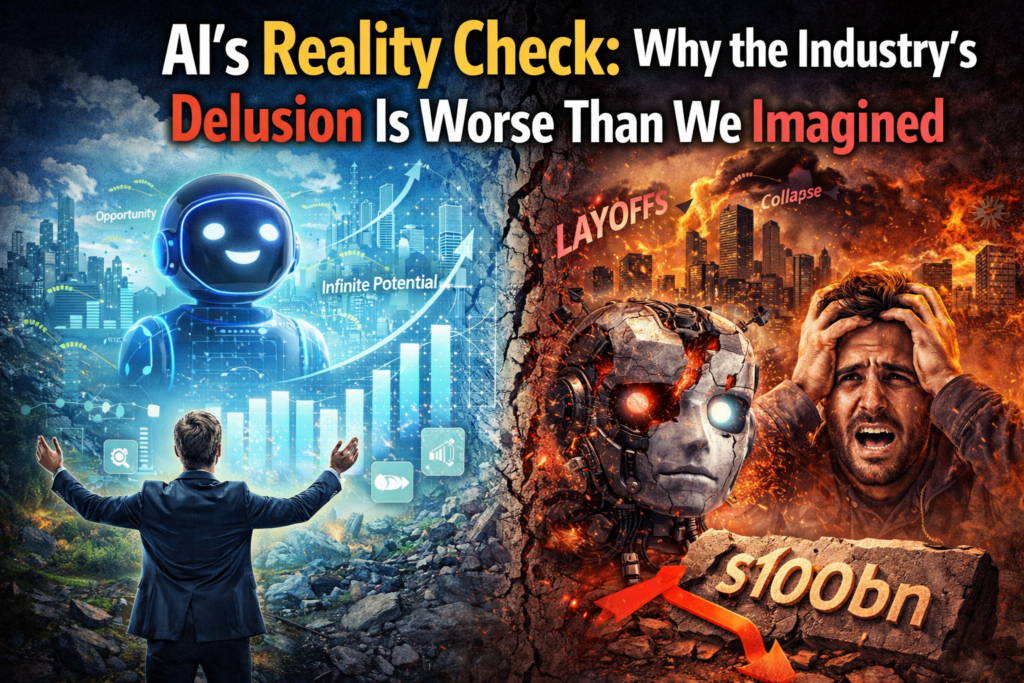
The tech world's having a proper wobble this week, and I'm here to tell you why it matters more than you might think. From Sony's audacious price hike to Silicon Valley finally facing the music over social media addiction, we're witnessing seismic shifts that'll reshape how we interact with technology.
Gaming’s Great Price Inflation: Sony Shows Its Hand
Let me start with something that's got gamers across the UK absolutely fuming. Sony's just slapped a £90 price increase on the PS5, and I'm calling it what it is: a brazen cash grab dressed up as market necessity. When I first heard about this, I nearly spat out my morning coffee. We're talking about a console that's been out for nearly six years now – traditionally, that's when prices should be dropping, not climbing.
Here's what makes this particularly galling. The gaming industry has been crying poor for years whilst simultaneously posting record profits. Sony's PlayStation division reported massive earnings last quarter, yet here they are, squeezing consumers harder than a Victorian corset. I've been covering tech for decades, and this move represents something darker: the normalisation of perpetual price increases in an industry that once prided itself on delivering better value over time.
Think about it this way. When I bought my first PlayStation back in the late '90s, the expectation was simple: launch at a premium, then gradually reduce prices as manufacturing scales up. That social contract between tech companies and consumers? It's being torn up before our eyes. And mark my words, if Sony gets away with this, expect Microsoft and Nintendo to follow suit faster than you can say "supply chain issues."
The timing couldn't be worse either. With the cost-of-living crisis still biting hard across the UK, this feels like Sony's testing how much pain consumers will tolerate. Spoiler alert: based on the online reaction I'm seeing, they've badly miscalculated.
Silicon Valley’s Moment of Truth: The Addiction Trial That Changes Everything
Now, let's talk about what I consider the biggest tech story of the decade – and no, I'm not exaggerating. The social media addiction trial that's got Silicon Valley executives breaking out in cold sweats represents a fundamental reckoning for an industry that's operated with impunity for far too long.
I've watched with mounting frustration as tech companies have deployed every psychological trick in the book to keep us glued to our screens. The "fear and denial" mentioned in these reports? That's just the tip of the iceberg. What we're seeing is an entire industry suddenly realising that their "engagement metrics" might actually be destroying people's mental health – and more importantly, that they might finally be held accountable for it.
The landmark verdict being described as "game-changing" is exactly that. For years, I've argued that social media platforms operate like digital drug dealers, carefully calibrating their algorithms to maximise addiction whilst hiding behind terms of service that nobody reads. This trial strips away that veneer of respectability and forces us to confront an uncomfortable truth: these platforms were designed to be addictive, and the architects knew exactly what they were doing.
What strikes me most is the panic I'm sensing from industry insiders. They're not just worried about financial penalties; they're terrified of regulatory oversight that could fundamentally alter their business models. Good. It's about bloody time.
When Banks Fail at Banking: The Lloyds IT Disaster
Moving from Silicon Valley to the City, let's examine the Lloyds Banking Group IT glitch that left nearly half a million customers in the lurch. As someone who's built robust systems for financial services clients, this kind of failure makes my blood boil. We're not talking about a startup with three developers and a prayer; this is one of the UK's biggest banks with supposedly world-class infrastructure.
The scale here is staggering – 500,000 customers affected. That's not a glitch; that's a systemic failure that points to deeper problems in how traditional banks approach technology. I've consulted for financial institutions, and I can tell you that many still run on systems older than most of their junior staff. They've been papering over the cracks with digital facades whilst the foundations crumble beneath.
What particularly irks me is the lack of transparency. Banks are quick to tout their digital transformation initiatives but go mysteriously quiet when those transformations transform into disasters. The affected customers aren't just numbers on a spreadsheet; they're people who couldn't access their money, pay bills, or conduct business. In 2026, this level of IT failure is simply inexcusable.
Here's the kicker: Lloyds will probably issue a mealy-mouthed apology, promise to "learn lessons," and then carry on as before. Meanwhile, fintech startups with a fraction of their resources manage to keep their systems running smoothly. It's a damning indictment of legacy banking's approach to technology.
Musk’s Legal Misadventures: When Ego Meets Reality
Ah, Elon Musk. The man who never met a lawsuit he didn't like – until he loses one. The dismissal of his advertising boycott lawsuit against various parties is deliciously ironic for someone who claims to champion free speech. Let me break down why this matters beyond the schadenfreude.
Musk's transformation of Twitter into X has been like watching someone renovate a Victorian mansion with a sledgehammer. He's systematically alienated advertisers, users, and now the courts. This lawsuit dismissal isn't just a legal setback; it's a reality check for a billionaire who thought he could bully advertisers into submission through litigation.
The advertising boycott that triggered this lawsuit wasn't some grand conspiracy – it was businesses making rational decisions about brand safety. When you turn a platform into a free-for-all where extremist content runs rampant, don't be surprised when Coca-Cola doesn't want their ads next to neo-Nazi propaganda. That's not censorship; that's capitalism.
What this verdict reinforces is that even tech billionaires can't simply sue their way out of bad business decisions. Musk's attempted strong-arm tactics have backfired spectacularly, and X continues its death spiral whilst he tilts at legal windmills. As someone who's watched the platform's decline with professional interest, I can't help but feel this verdict marks another nail in X's increasingly crowded coffin.
The Bigger Picture: Tech’s Inflection Point
Looking at these stories collectively, I see a pattern that's impossible to ignore. We're at an inflection point where the tech industry's chickens are coming home to roost. For too long, tech companies have operated in a consequence-free bubble, prioritising growth and engagement über alles. That era is ending, and not a moment too soon.
The Sony price hike represents the arrogance of an industry that thinks it can squeeze consumers indefinitely. The social media addiction trials expose the dark psychology behind "user engagement." The Lloyds IT failure shows what happens when institutions treat technology as an afterthought rather than a foundation. And Musk's legal defeat demonstrates that even billions can't insulate you from accountability.
What excites me is that we're finally having real conversations about technology's impact on society. The fear I'm sensing from Silicon Valley isn't just about this particular trial – it's about a broader awakening to the harm their products can cause. The age of naive techno-optimism is over, replaced by a more mature understanding that technology is a tool that can be wielded for good or ill.
My Take: Where We Go From Here
After years of watching the tech industry operate with minimal oversight, I'm cautiously optimistic about what I'm seeing. These aren't isolated incidents; they're symptoms of a sector that's grown too big, too fast, with too little consideration for consequences. The reckoning we're witnessing was inevitable.
Sony's price hike will likely backfire as consumers vote with their wallets. The social media trials will force platforms to fundamentally rethink their engagement models. Banks like Lloyds will have to actually invest in infrastructure instead of executive bonuses. And Musk? Well, he'll probably find new ways to shoot himself in the foot, but at least the courts aren't enabling him.
What I want to see next is meaningful regulation that protects consumers without stifling innovation. I want tech companies to compete on genuine value rather than psychological manipulation. I want banks to treat IT infrastructure as the critical service it is. And I want billionaires to understand that wealth doesn't exempt them from the rules the rest of us follow.
The tech industry stands at a crossroads. It can either embrace responsibility and build products that genuinely improve lives, or it can continue down the path of exploitation and manipulation. Based on what I'm seeing this week, the choice is being made for them. And frankly, it's about bloody time.
Frequently Asked Questions
Why is Sony increasing PS5 prices after six years?
Sony's citing various market factors, but I believe it's testing consumer tolerance for price increases on established hardware, breaking traditional pricing models in the gaming industry.
What makes the social media addiction trial so significant?
It's the first major legal challenge that could hold platforms financially liable for deliberately designing addictive features, potentially forcing fundamental changes to how social media operates.
How serious was the Lloyds Banking IT failure?
With nearly 500,000 customers affected, this represents a massive systemic failure that highlights the fragility of legacy banking infrastructure and the urgent need for proper technological investment.