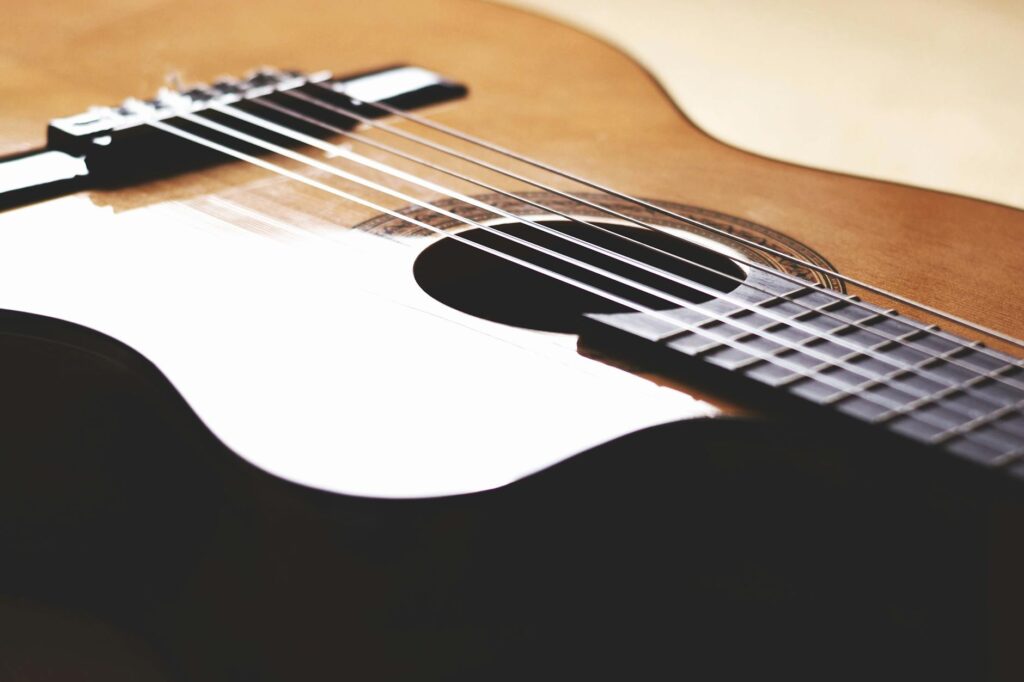
After decades of playing, collecting, and obsessing over guitars, I thought I'd seen it all. But 2026 is proving me wonderfully wrong. The guitar world is experiencing a renaissance that's got me more excited than a teenager discovering their first power chord.
Lost Guitars Are Finding Their Way Home
There's something magical happening in the guitar community right now. Lost instruments with incredible histories are being rediscovered, and each find feels like unearthing buried treasure. The recent story about Terry Kath's guitars being tracked down after decades is precisely the kind of tale that makes my heart race.
I've spent countless hours in guitar shops, pawn stores, and estate sales, always hoping to stumble upon that one special instrument with a story. The fact that musicians' families are now actively hunting down these lost pieces of history shows how much we've grown to appreciate the cultural significance of these instruments. It's not just about the wood and strings – it's about the connection to the artists who poured their souls through them.
What strikes me most is how these rediscoveries are changing our understanding of music history. Each recovered guitar is like finding a missing puzzle piece that helps us better understand the artists who played them. These aren't just instruments; they're time capsules that carry the DNA of the music that shaped our culture.
The Digital Revolution Is Finally Getting It Right
For years, I've been sceptical about digital guitar technology. Too many products promised to revolutionise our playing but delivered sterile, lifeless tones that made me want to plug back into my trusty valve amp. But something's shifted recently, and I'm genuinely impressed by what's happening in the digital realm.
The news about Electro-Harmonix releasing their legendary pedals as plugins with component-level modelling is a game-changer. This isn't just another cash grab; it's a genuine attempt to preserve and democratise classic tones. I've been testing similar technologies in my home studio, and the results are staggering. We're talking about recreations so accurate that even my most analogue-purist mates can't tell the difference in blind tests.
What excites me most is the accessibility this brings. Not everyone can afford a vintage Big Muff or Memory Man, but now those sounds are within reach for bedroom producers and professional studios alike. It's democratising tone in a way that would have been unthinkable even five years ago.
The implications for recording are massive. I can now recall exact tones months later, experiment without fear of damaging expensive vintage gear, and even use multiple instances of pedals that I only own one of in the physical world. This isn't replacing hardware; it's augmenting our creative possibilities.
Legendary Instruments Are Telling New Stories
The story about ABBA's iconic star guitar being crafted by the same luthier who built for Zeppelin and Clapton perfectly illustrates something I've been thinking about lately: guitars are collaborative artworks. The luthier's vision, the musician's requirements, and the music they create together form a trinity that produces magic.
I've commissioned a few custom guitars over the years, and each time, the process has taught me something new about what I want from an instrument. The best luthiers aren't just builders; they're translators who convert a musician's vision into physical reality. When Björn from ABBA said it had to be "shiny and sparkling," he wasn't just talking about aesthetics – he was describing the sound he heard in his head.
This collaborative aspect of guitar creation is often overlooked in our obsession with vintage instruments. Yes, a '59 Les Paul is special, but so is a guitar built yesterday by a master craftsperson working closely with a musician. The magic isn't just in the age; it's in the intention and craftsmanship.
The Next Generation Is Rewriting the Rules
Wolfgang Van Halen's comment about playing guitar like a drummer resonates deeply with me. The most innovative guitarists often approach the instrument from unexpected angles, bringing techniques and perspectives from other disciplines. This cross-pollination is what keeps the guitar fresh and exciting after all these decades.
I started on bass before moving to guitar, and that foundation completely shaped my approach to rhythm playing. Similarly, I've noticed that guitarists who come from piano often have a more sophisticated understanding of harmony, while those who started on drums tend to have killer rhythm chops. There's no "right" way to approach the instrument, and that's beautiful.
What Wolfgang's story really highlights is the importance of musical foundations beyond just learning scales and chords. The best guitarists are musicians first, guitarists second. They understand groove, dynamics, and how to serve the song rather than just shred for the sake of it.
Festival Culture Is Evolving in Exciting Ways
The announcement of Clapton's Crossroads Festival for 2026 couldn't come at a better time. Guitar festivals have evolved from mere showcases of technical prowess to celebrations of the instrument's diversity and cultural impact. Modern guitar festivals are becoming more inclusive, more diverse, and more focused on musical connection than competitive shredding.
I've attended dozens of guitar festivals over the years, and the shift in atmosphere is palpable. Where once you'd find mostly middle-aged blokes comparing gear, now there's a vibrant mix of ages, genders, and musical styles. The guitar is no longer the exclusive domain of rock and blues – it's embracing hip-hop, electronic music, and genres that haven't even been named yet.
What excites me most about festivals like Crossroads is their potential to bridge generational gaps. Seeing a legend like Clapton share the stage with emerging artists creates a continuum that keeps the guitar tradition alive while pushing it forward. These aren't museum pieces; they're living, breathing celebrations of an instrument that refuses to become obsolete.
Why This Moment Matters More Than Ever
As I reflect on where we are in 2026, I'm struck by how the guitar has not only survived but thrived in an increasingly digital world. While some predicted the guitar's demise with the rise of electronic music, the opposite has happened. The guitar has adapted, evolved, and found new ways to remain relevant.
The stories emerging now – from rediscovered instruments to digital innovations, from collaborative craftsmanship to genre-bending approaches – all point to a simple truth: the guitar is more than an instrument. It's a cultural touchstone that continues to inspire and connect people across generations and genres.
I'm particularly encouraged by how technology is being used to enhance rather than replace traditional guitar culture. We're not choosing between analogue and digital; we're embracing both and finding new ways to push creative boundaries. The purist debates that once divided the community are giving way to a more inclusive, experimental approach.
What we're witnessing isn't just another trend or marketing cycle. It's a fundamental shift in how we think about, create with, and preserve guitar culture. From the careful restoration of historic instruments to the meticulous digital recreation of classic tones, from innovative building techniques to fresh playing approaches, the guitar world is showing that tradition and innovation can coexist beautifully.
As someone who's spent their life immersed in this world, I can honestly say I've never been more optimistic about the guitar's future. The instrument that changed my life continues to evolve, inspire, and surprise. And if 2026 is any indication, the best is yet to come.
Frequently Asked Questions
Are vintage guitars really worth the investment in 2026?
It depends on your goals. As a player, modern guitars often outperform vintage ones. But as investments and pieces of history, vintage guitars continue to hold their value and tell important stories.
How has digital technology changed guitar playing?
Digital tech has democratised access to professional tones, made recording more flexible, and created new sonic possibilities. It hasn't replaced traditional gear but has become another tool in the guitarist's arsenal.
What should beginners focus on when starting guitar in 2026?
Focus on musicality over technique. Learn songs you love, understand rhythm, and don't get caught up in gear acquisition. The best tone comes from your fingers, not your equipment.