I've been building websites since dial-up was cutting edge, and I'll tell you straight – the web development landscape in 2026 is nothing like what we imagined even five years ago. The tools we're using, the way we're learning, and what clients expect have all shifted so dramatically that sometimes I feel like I'm learning an entirely new profession.
The Learning Revolution That’s Turning Everything Upside Down
Remember when becoming a web developer meant either getting a computer science degree or spending years teaching yourself from dusty programming books? Those days are as dead as Flash websites. The explosion of coding bootcamps has completely democratised web development, and I'm here for it.
I recently mentored someone who went from zero coding knowledge to landing a £45,000 junior developer role in just four months through an online bootcamp. Four bloody months! When I started, it took me two years just to understand how CSS floats worked properly. These modern bootcamps aren't your typical "learn to code in 24 hours" rubbish either – they're intensive, practical programmes that focus on what actually matters in the real world.
What's fascinating is how these programmes have adapted to 2026's reality. They're not teaching jQuery anymore (thank God). Instead, they're diving straight into modern JavaScript frameworks, serverless architectures, and AI-assisted development. It's like watching someone learn to drive starting with a Tesla rather than a Morris Minor.
But here's what really gets me: the quality of developers coming out of these programmes. They might not know the history of why we moved from table-based layouts to CSS, but they can build a full-stack application with authentication, real-time updates, and responsive design in a weekend. It's both impressive and slightly terrifying for us veterans.
Visual Design Has Become an Arms Race
If there's one thing that makes me feel ancient, it's seeing what passes for "standard" web design these days. Parallax scrolling used to be the flashy trick you'd pull out once in a blue moon to impress a high-paying client. Now? It's practically expected on every other landing page.
I recently lost a pitch because my proposed design was "too static." The client wanted their about page to feel like you were falling through layers of their company history. Not metaphorically – literally falling. With particle effects. And somehow, this has become normal.
The technical complexity hiding behind these seemingly effortless scrolling experiences is staggering. We're not just moving a few background images at different speeds anymore. Modern parallax implementations involve WebGL shaders, complex animation timelines, and performance optimisations that would make a game developer sweat. I spent three days last month optimising a parallax effect to maintain 60fps on mobile devices, and that was considered a quick turnaround.
What really strikes me is how user expectations have shifted. People don't just want information anymore; they want an experience. They want to feel something when they visit your website. And honestly? As much as it complicates our lives as developers, I think they're right. The web should be more than just digital brochures.
The Tools That Changed Everything
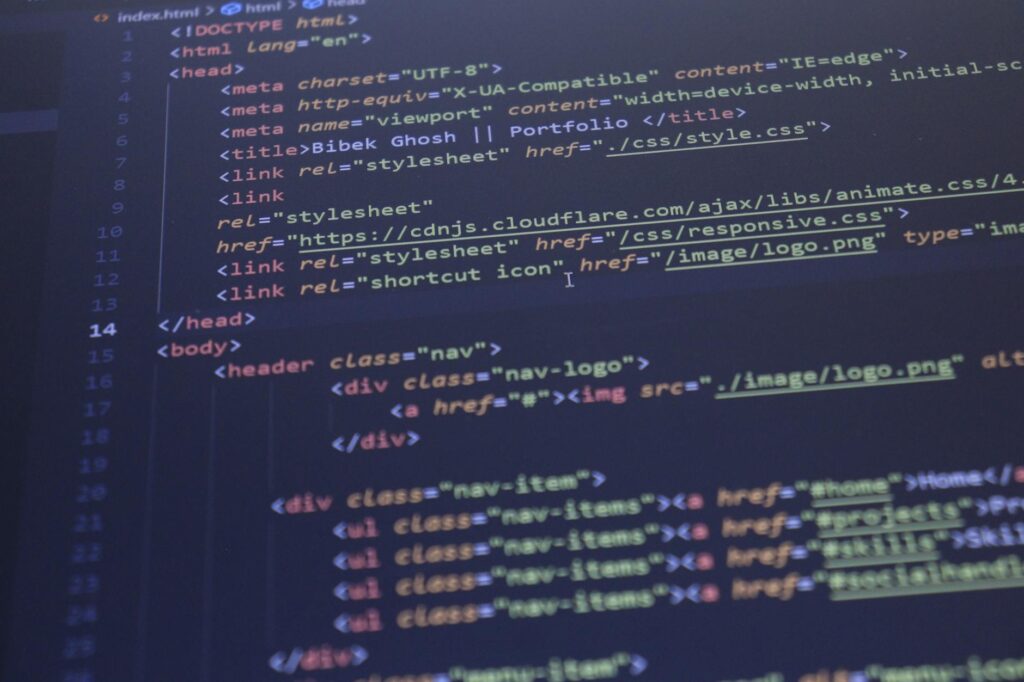
Let me talk about Visual Studio Code for a moment, because its latest update genuinely made me reconsider how I write code. I know that sounds hyperbolic, but hear me out. The AI integration isn't just autocomplete on steroids – it's like having a senior developer looking over your shoulder, suggesting not just what to write, but why you should write it differently.
Last week, I was building a React component for a client's dashboard. As I started typing, VS Code didn't just suggest the standard boilerplate. It analysed my project structure, recognised I was using TypeScript with specific linting rules, noticed my preference for functional components with custom hooks, and generated exactly what I needed. It even included error handling based on similar components in my codebase.
This isn't replacing developers – let's be clear about that. What it's doing is eliminating the mundane parts of our job. I'm not spending 20 minutes writing another bloody form validation function. Instead, I'm solving actual problems, architecting systems, and creating user experiences that matter.
The tooling evolution extends beyond just our IDEs. Build tools have become so sophisticated that what used to take hours of webpack configuration now happens automatically. Testing frameworks can generate their own test cases based on your code. Deployment pipelines practically configure themselves. It's like having a team of DevOps engineers built into your laptop.
The Skills That Actually Matter Now
Here's something that might ruffle some feathers: knowing how to code is becoming the least important part of being a web developer. I know, I know – sacrilege from someone who's been writing code for two decades. But stay with me.
The real skills that separate good developers from great ones in 2026 are completely different from what we valued even three years ago. Problem-solving and system design have become paramount. When AI can write your authentication logic and component libraries handle your UI, what matters is knowing which problems to solve and how to architect solutions that scale.
Communication has become crucial too. I spend more time in design workshops and strategy meetings than I do writing code. Clients don't want someone who can implement their ideas; they want someone who can challenge those ideas and propose better solutions. They want a partner, not a code monkey.
Understanding user psychology and business strategy is now part of the job description. I recently turned down a project to build a "Facebook killer" (yes, people still pitch these) not because I couldn't build it, but because I could articulate why it would fail from both a technical and business perspective. That kind of insight is what clients actually pay for.
The Market Reality No One Wants to Discuss
Let's address the elephant in the room: the job market is weird right now. Really weird. On one hand, organisations are crying out for web developers. I see tender opportunities posted daily, each more ambitious than the last. On the other hand, junior developers are struggling to find their first role because the bar for "entry-level" has been raised to the stratosphere.
The recent tender I saw from a research institution perfectly encapsulates this disconnect. They want a complete web platform rebuild with cutting-edge features, but they're offering rates that would have been competitive in 2018. This isn't sustainable, and something's going to give soon.
For established developers, it's a golden age. I'm turning down more work than I accept, and my rates have doubled in the past eighteen months. But I worry about the next generation. How do you get experience when every job requires experience? How do you learn best practices when you're competing with developers who've been coding since before you were born?
The bootcamp revolution is helping, but it's also creating a two-tier system. Bootcamp graduates are brilliant at building modern applications but often lack the foundational knowledge that helps when things go wrong. Traditional CS graduates understand the theory but can't build a production-ready application to save their lives. We need to find a middle ground.
My Take: Where This Is All Heading
After twenty years in this industry, I've learned to spot the trends that matter versus the hype that fades. And right now, I see a fundamental shift in what web development actually means. We're not just building websites anymore; we're creating digital experiences that blur the line between web, mobile, and whatever comes next.
The rise of AI tools isn't going to replace us – it's going to amplify us. The developers who thrive will be those who embrace these tools while focusing on the uniquely human aspects of our craft: creativity, empathy, and strategic thinking. The ones who insist on doing everything manually will be left behind, not because they lack skill, but because they lack adaptability.
I'm genuinely excited about where we're heading. Yes, it's challenging keeping up with the pace of change. Yes, it's frustrating when clients expect miracles on shoestring budgets. But we're living through the most creative period in web development history. The boundaries of what's possible expand daily, and that's exhilarating.
My advice? Stop trying to learn everything. Pick your battles, master your niche, and stay curious about the rest. Build relationships, not just applications. And for the love of Tim Berners-Lee, remember that at the end of the day, we're here to solve problems for real people, not just to show off our technical prowess.
The web in 2026 isn't what any of us expected, but it's exactly what it needs to be: a constantly evolving platform for human creativity and connection. And I wouldn't have it any other way.
Frequently Asked Questions
What’s the best way to start learning web development in 2026?
Start with a reputable online bootcamp that focuses on modern technologies like React, TypeScript, and cloud deployment. Avoid courses teaching outdated tech like jQuery. Expect to dedicate 20-30 hours per week for 3-6 months for meaningful progress.
Is Visual Studio Code still the best editor for web development?
VS Code remains the industry standard, especially with its latest AI integrations. While alternatives like Cursor and Fleet are gaining ground, VS Code's ecosystem and continuous updates make it the safest choice for most developers.
How much should I charge for web development projects in 2026?
UK rates vary wildly, but experienced developers charge £500-£1500 per day. Simple websites start at £3,000-£5,000, while complex applications can reach £50,000+. Never undervalue your expertise – if clients balk at professional rates, they're not your ideal clients.